



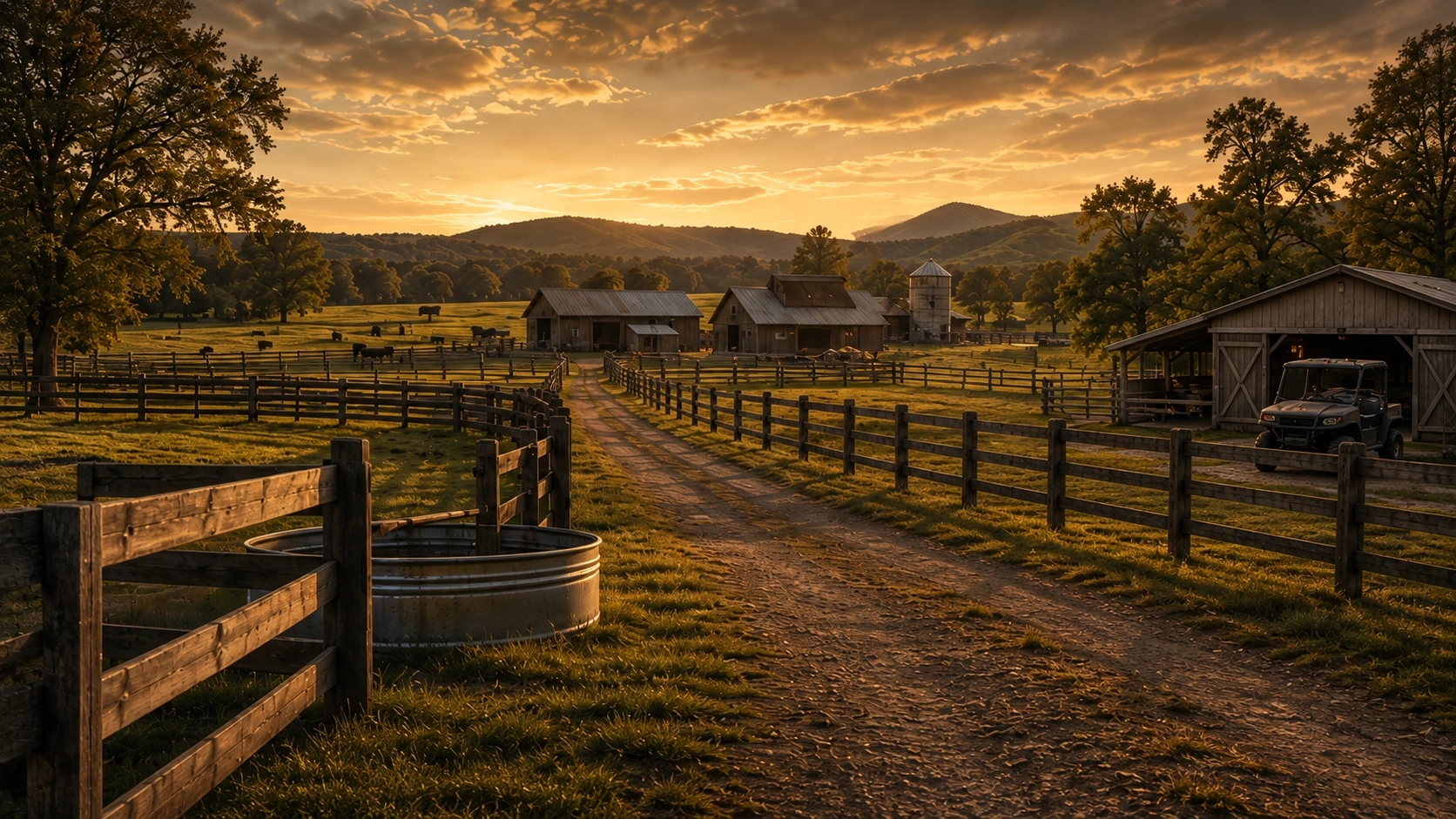
Estate, Farm & Equestrian Staff
Rural-property roles must be defined by land use, animals, equipment, buildings, staff, and owner expectations—not acreage alone.
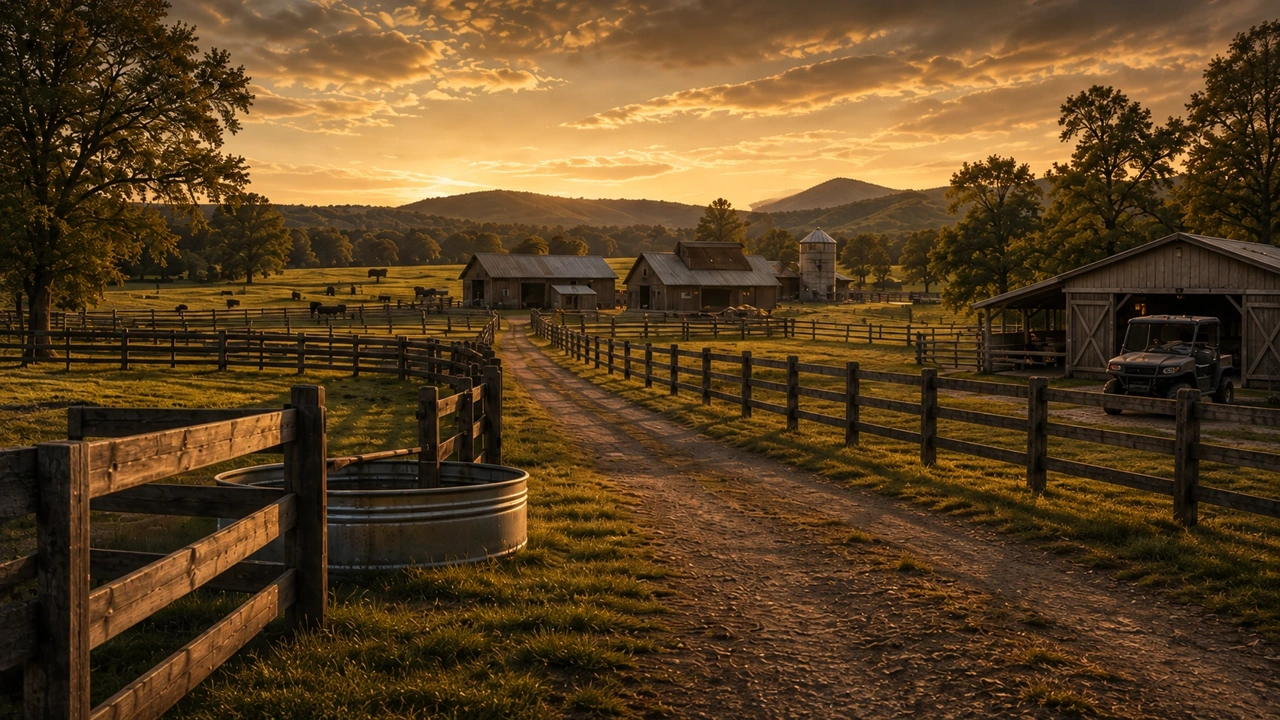
Ranch Manager
What the role encompasses
A Ranch Manager is responsible for the coordinated operation and stewardship of a ranch property. Depending on the estate, the role may encompass livestock care, grazing plans, fencing and water systems, equipment maintenance, staff scheduling, vendors, records, budgets, and seasonal preparation.
Compensation range
U.S. operating ranches & senior NC example
- Operating-ranch management
- $50,000–$70,000 / year
- Senior NC operation · 2025 example
- $140,000–$150,000 / year
Scope varies substantially. The NC example oversees 10+ staff; housing and vehicle are additional. These are distinct appointments, not a continuous market range.
Range context & sources
Indicative cash pay in USD, reviewed September 2026. The offer should specify hours, overtime treatment, benefits, travel and housing. Placement fees are separate.
- RanchWork; Three Bar Ranch — Ranch Manager needed at 600 Cow/Calf Ranching Operation in Montana (opens in a new tab)
- King Ranch Institute for Ranch Management, Texas A&M University–Kingsville; employer submission — Ranch Manager — Sticks Ranch (opens in a new tab)
- RanchWork; confidential employer — Ranch Manager needed at Diversified Operation in NC ~ Housing, Vehicle, Benefits ~ $140k-$150k (opens in a new tab)
The role may be right when
The property includes livestock or working land; several employees or vendors require coordination; and the owner wants one accountable operator responsible for daily standards and long-term stewardship.
Farm Manager
What the role encompasses
A farm manager organizes agricultural work around the property’s purpose: crops, mixed farming, or other production. The remit can include soil and growing plans, equipment, labor, budgets, records, suppliers, and seasonal scheduling.
Compensation range
U.S. large-private-farm example
- Large operation · New Jersey
- $100,000–$150,000 / year
Advertised for a private farm with about ten staff. Smaller or hands-on farms can pay substantially less; local evidence remains limited.
Range context & sources
Indicative cash pay in USD, reviewed September 2026. The offer should specify hours, overtime treatment, benefits, travel and housing. Placement fees are separate.
The role may be right when
Production, equipment, seasonal labor, and land management need a coordinated plan.
Equestrian Manager
What the role encompasses
An equestrian manager organizes the stable operation: care routines, feed, turnout, records, staffing, supplies, and facility readiness. Coordination with veterinarians, farriers, trainers, and transport providers may be central to the appointment.
Compensation range
NC & U.S. small-operation examples
- Hands-on equestrian management
- $35,000–$50,000 / year
Examples include housing and hands-on horse care. Horse numbers, staffing and competition travel change the package; NC annual evidence includes a 2025 posting.
Range context & sources
Indicative cash pay in USD, reviewed September 2026. The offer should specify hours, overtime treatment, benefits, travel and housing. Placement fees are separate.
- RanchWork; private employer — Farm Manager needed at Small Operation in North Carolina ~ Housing + truck provided (opens in a new tab)
- RanchWork; Bell Mountain Ranch Equestrian Center — Ranch / Equestrian Manager needed near Denver, Colorado (opens in a new tab)
- Yard and Groom; Folklore Farm — Barn Manager/Groom (opens in a new tab)
The role may be right when
The equestrian operation needs a consistent point of responsibility for care standards, people, and facilities.
Estate Groundskeeper
What the role encompasses
An estate groundskeeper maintains lawns, paths, drives, outdoor amenities, and general grounds presentation. Work may include mowing, edging, seasonal cleanup, irrigation checks, and routine equipment care.
Compensation range
U.S. advertised examples · limited NC evidence
- Private household gardener · NY
- $25–$28 / hour
- Grounds & technical upkeep · Texas
- $65,000–$75,000 / year
Plant care and grounds work differ from technical property upkeep. These examples have different duties and hours; the annual figure is not an hourly conversion.
Range context & sources
Indicative cash pay in USD, reviewed September 2026. The offer should specify hours, overtime treatment, benefits, travel and housing. Placement fees are separate.
The role may be right when
You need consistent care of outdoor areas within a defined maintenance plan.
Property Caretaker
What the role encompasses
A property caretaker provides routine inspections, opening and closing, light upkeep, vendor access, deliveries, and reporting. The role can be especially useful where owners are absent for periods and want continuity between visits.
Compensation range
NC rural examples & U.S. residential guidance
- Rural resident care · per person
- $32,500–$50,000 / year
- Higher-end residential care · U.S.
- $65,000–$100,000 / year
Rural examples include housing; residential systems and vendor oversight form a different brief. Each range is per person, with hours and accommodation agreed separately.
Range context & sources
Indicative cash pay in USD, reviewed September 2026. The offer should specify hours, overtime treatment, benefits, travel and housing. Placement fees are separate.
- RanchWork; Smith Hidden Meadow Farm — Farm / Property Caretaker Couple needed at 100-acre Family Retreat in Franklin, NC (opens in a new tab)
- RanchWork; private employer — Ranch Hand / Caretaker needed at 185-acre Private Horse Ranch in Texas (opens in a new tab)
- Morgan & Mallet — Hire a Property Caretaker — US Market Ranges (opens in a new tab)
The role may be right when
A residence needs consistent oversight and practical readiness between the owner’s visits.
Ranch Hand
What the role encompasses
A ranch hand carries out the practical work of the property under an agreed supervisor. Duties can include feeding, water checks, fence repairs, pasture tasks, livestock handling, cleaning, and equipment upkeep.
Compensation range
NC & U.S. resident-role examples
- Hands-on ranch and animal care
- $30,000–$50,000 / year
Examples include accommodation or housing availability. Livestock, equipment, daily coverage and paid time off determine the full package.
Range context & sources
Indicative cash pay in USD, reviewed September 2026. The offer should specify hours, overtime treatment, benefits, travel and housing. Placement fees are separate.
The role may be right when
You have operational leadership in place and need dependable hands-on ranch support.
Farm Hand
What the role encompasses
A farm hand supports planting, harvesting, irrigation, cleaning, equipment care, and other daily tasks appropriate to the operation. Duties may also include animal care where the farm combines several activities.
Compensation range
North Carolina resident-farm example
- Glenville farm · housing included
- $30,000–$36,000 / year
A 2026 farm-hand advertisement includes a private home and utilities. This resident cash-pay example does not establish rates for all live-out farm jobs.
Range context & sources
Indicative cash pay in USD, reviewed September 2026. The offer should specify hours, overtime treatment, benefits, travel and housing. Placement fees are separate.
The role may be right when
The farm needs hands-on support within an established operating plan.
Gardener & Landscape Manager
What the role encompasses
This appointment centers on gardens and horticulture: planting, pruning, soil care, seasonal displays, irrigation, and plant health. At management level it may also include directing gardeners, coordinating specialists, maintaining budgets, and planning improvements.
Compensation range
Tennessee estate example & U.S. guidance
- Head gardener / landscape leadership
- $55,000–$100,000 / year
Combines a Tennessee head-gardener offer with U.S. senior guidance. Garden complexity, team leadership and any housing shape compensation.
Range context & sources
Indicative cash pay in USD, reviewed September 2026. The offer should specify hours, overtime treatment, benefits, travel and housing. Placement fees are separate.
The role may be right when
Your gardens need horticultural knowledge as well as a consistent maintenance and improvement plan.
Estate Maintenance Technician
What the role encompasses
An estate maintenance technician supports buildings, equipment, and residential systems through inspections, preventive tasks, and repairs within their competence. Work orders, stock, contractor access, and maintenance records may be part of the daily routine.
Compensation range
U.S. private-estate advertised example
- Maintenance technician · Florida
- $35–$38 / hour
A 2026 Florida private-estate example. Repair skills, property systems and weekend availability affect the offer; North Carolina evidence is limited.
Range context & sources
Indicative cash pay in USD, reviewed September 2026. The offer should specify hours, overtime treatment, benefits, travel and housing. Placement fees are separate.
The role may be right when
The property needs regular technical attention and a reliable link between inspections and specialist contractors.
Defining ranch manager responsibilities
Define the type of livestock, land-use goals, scale, and the owner’s involvement. Look for experience with comparable operations and a practical approach to animal welfare, maintenance, and recordkeeping. Management responsibility should come with clear authority and resources.
Settle these details first
- Livestock, grazing, land-use goals, and seasonal demands
- Staff, equipment, budgets, and decision rights
- On-site housing, emergency cover, and owner reporting
Defining farm manager responsibilities
Identify whether the farm is commercial, supports a private household, or combines production with recreation. Relevant crop and operating experience matters. Make the manager’s responsibility for output, spending, staff, and owner reporting explicit.
Settle these details first
- Crops, production goals, and current systems
- Labor, equipment, suppliers, and budgets
- Seasonal deadlines and owner reporting
Defining equestrian manager responsibilities
Specify the number and type of horses, disciplines, competition or travel calendar, and the owner’s expectations. Management, riding, grooming, and training are separate capabilities; describe which the position actually requires rather than assuming they come together.
Settle these details first
- Horse numbers, disciplines, routines, and travel
- Riding or training expectations and staff supervision
- Veterinary, farrier, facility, and emergency coordination
Defining estate groundskeeper responsibilities
Map the maintained areas and seasonal demands, including guest preparation and weather-related tasks. Clarify responsibility for trees, specialist planting, chemicals, and repairs, referring specialized work to appropriately qualified people where needed.
Settle these details first
- Grounds, amenities, and seasonal tasks
- Equipment, irrigation, and specialist support
- Daily priorities, reporting, and weather response
Defining property caretaker responsibilities
Define the inspection schedule, response expectations, practical tasks, and authority to call contractors. On-site accommodation may be appropriate, but occupancy should not be confused with continuous duty. Larger repairs, landscaping, or animal care need their own scope and expertise.
Settle these details first
- Inspection, opening, closing, and owner-visit routines
- Light upkeep, vendor access, and escalation authority
- Housing, working hours, absence cover, and emergencies
Defining ranch hand responsibilities
Specify the animals, machinery, physical demands, and experience required. Daily tasks and seasonal peaks should be realistic for the staffing level. Define training, safety procedures, and who makes decisions about animal health or urgent repairs.
Settle these details first
- Animals, handling experience, and routine duties
- Machinery, training, and seasonal work
- Supervision, schedule, and emergency escalation
Defining farm hand responsibilities
Describe the crop or livestock work, physical requirements, machinery, and seasonal timetable. Clarify what the employee can do independently and where training or supervision is required. A clear daily plan helps maintain both safety and consistency.
Settle these details first
- Regular tasks and seasonal peaks
- Equipment experience and training
- Supervision, schedule, and accommodation if offered
Defining gardener & landscape manager responsibilities
State whether you need a hands-on gardener, a team leader, or both. The garden’s maturity, plant collection, greenhouse needs, and design ambitions should shape the experience required. Large projects may still need external landscape or arboricultural expertise.
Settle these details first
- Plantings, seasonal displays, and specialist collections
- Hands-on duties versus team or vendor management
- Irrigation, budgets, and planned improvements
Defining estate maintenance technician responsibilities
List the systems and equipment in use and distinguish practical upkeep from work requiring a specialist or licensed trade. The employee should know when to escalate a fault, how to make the area safe, and how to document what has been done.
Settle these details first
- Buildings, systems, equipment, and maintenance schedule
- Work within competence versus specialist contractors
- Work orders, emergency escalation, and reporting
A working farm, an equestrian property, landscaped estate grounds, and a seasonal residence have different priorities. Explore the roles below to distinguish leadership from hands-on delivery and to identify where specialist contractors belong. Location changes the brief as well: mountain weather, Piedmont growing seasons, equestrian infrastructure, and coastal exposure create different demands across North Carolina.
A more useful brief
Define the property before the position
Land, animals, and facilities
Describe what the property actually does: agriculture, livestock, equestrian activity, recreation, or residential use. Include buildings, equipment, water systems, outdoor amenities, and the intensity of seasonal work.
Management or hands-on coverage
Separate planning, budgets, staff supervision, and recordkeeping from daily labor. Some appointments combine them, but the workload should leave room for both.
Presence, housing, and response
For on-site positions, agree accommodation, privacy, working hours, time off, and emergency arrangements. If animals or systems need continuous cover, establish who is responsible when the employee is away.
Safety, equipment, and specialist boundaries
Identify machinery, vehicles, chemicals, animal-handling responsibilities, and any work requiring specialist training or a licensed contractor. Define the employee’s authority to stop work, call for assistance, and respond when animals, people, or property may be at risk.
The Founder’s Office
From the right brief to a considered introduction.
Property staffing begins with the land and the life built around it. We define the property’s use, animals, buildings, equipment, seasonal demands, existing staff, vendors, housing, and the responsibilities the owner wants someone to carry. Candidates are assessed for comparable experience, verified references, judgment, stewardship, practical capability, and the ability to work safely within established systems. Interviews and a paid working trial, where appropriate, help both sides understand the property and the appointment.
How we assess households and candidates →Compensation & conditions
Plan the whole property appointment
Discuss compensation alongside on-site housing, privacy, vehicles, tools, equipment, uniforms, seasonal or weather-related hours, emergency and animal-care coverage, travel between properties, time off, and relief arrangements. Candidate compensation and employment costs are separate from Silverthorne’s search and placement fees.
Client fees & placement terms →Looking for work? View available positions.
Before you decide
Questions worth asking.
Private households throughout North Carolina.
From Charlotte and Lake Norman to Raleigh, Durham, and Chapel Hill; across the Triad, the Blue Ridge, and the coast. Tell us where the work happens, including travel or additional residences. Location, commuting expectations, and relocation needs belong in the brief from the beginning.
Explore the appointments
The rest of the household.
Explore responsibilities, compare related roles, and clarify the support your home needs.